
A great deal of confusion in this market comes from attributing decisions to the wrong party. Visa did not decline your purchase. Mastercard does not set your conversion fee. American Express is not why your exchange refuses your card. Each of those belongs to somebody else, and knowing who makes which decision turns most problems from mysterious into solvable.
What the networks actually do
Card networks operate the rails and write the rulebook. Specifically, they define merchant category codes that classify what kind of business a merchant is, set authorisation standards including the 3-D Secure framework, run the dispute and chargeback process, publish the reference exchange rates that FX margins are quoted against, and license issuers to put their logo on cards.
What they do not do is hold your money, set your fees, decide your limits, or approve individual transactions. Those are the issuer and the programme manager. Our payment card explainer walks through the full chain.
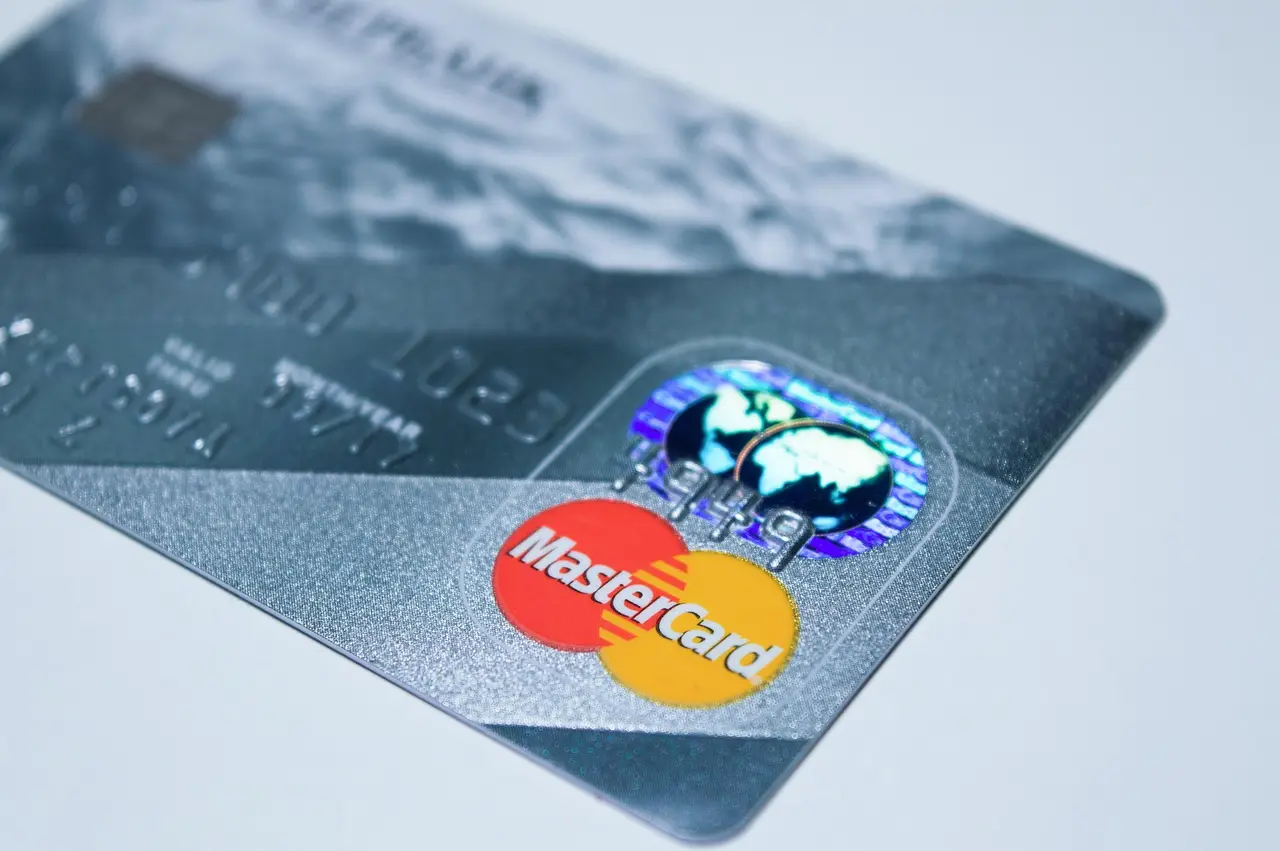
Merchant category codes: the mechanism behind most blocks
An MCC is a four-digit number identifying the type of business. Crypto exchanges are assigned codes associated with financial services and quasi-cash, and several issuers treat those codes as high risk.
That is precisely how a bank blocks an entire industry with a single rule: it does not maintain a list of exchanges, it declines a category. It is also how some issuers identify transactions to reclassify as cash advances, since quasi-cash coding is what triggers that treatment. Understanding this explains two otherwise baffling experiences — why a block applies instantly to an exchange your bank has never heard of, and why a purchase can settle as a cash advance without anybody appearing to decide that it should.
The code is assigned by the merchant's acquirer
Not by the exchange and not by you. Which means two exchanges using different acquirers can be coded differently, and the same exchange can be coded differently in different countries — one reason a card that works for somebody else may not work for you.
Visa and Mastercard for crypto cards
Both networks underpin the major crypto card programmes, and for the cardholder the practical difference is negligible. Acceptance is close to universal for both. Both run comparable dispute frameworks. Both publish reference rates that providers quote FX margins against.
Among the cards we review, Crypto.com and Gnosis Pay run on Visa, while Nexo and Bybit run on Mastercard. Wirex describes itself as a principal member of both, which is unusual — most crypto programmes access the networks through a third-party issuer rather than holding membership directly.
The sensible conclusion is to ignore the network when choosing a card and concentrate on what actually varies: the conversion charge, the FX schedule, the custody model and whether your country is supported. Our fee guide lists the six numbers worth comparing.
American Express occupies a different position
Amex plays two distinct roles here and people routinely conflate them.
As a payment method at an exchange, Amex is uncommon. Its merchant economics are different, its global acceptance footprint is narrower, and many exchanges do not enable it for a category that is already low-margin and high-risk. If you hold an Amex and want to buy crypto, expect to find fewer platforms that accept it.
As an issuing network for a crypto rewards card, Amex is central to the most interesting product in the category: the Coinbase One Card runs on the American Express network and pays 2% to 4% back in bitcoin for US Coinbase One members. That is Amex as the network behind a card you spend, not as a card you use to buy crypto.
Where the network does affect you
Two situations, both practical rather than theoretical. Abroad, acceptance differences are real — Visa and Mastercard are taken in more places than Amex in most countries, and if you are travelling somewhere with thin card infrastructure that matters more than any fee.
And in the dispute process, the network's rules define what you can claim and how long you have. Both major networks provide a workable chargeback framework, which is a genuine advantage of spending crypto through a card rather than sending it on-chain, where a mistaken payment is simply gone.
FX reference rates and where margins attach
When you spend in a foreign currency, the network converts at its own published rate and your provider adds a margin on top. This is why crypto card fee schedules are written as a percentage "above the Mastercard rate" or similar — Bybit documents 0.5% over the Mastercard rate in the EEA, for example.
The network rate itself is generally close to the interbank mid-market rate and is not where you are losing money. The margin is. And on top of both, a merchant terminal offering to charge you in your home currency is applying dynamic currency conversion at a rate set by its own acquirer — always decline that and pay in local currency. Our fee guide covers how these layers stack on a realistic year of spending.
Restricted categories run the other way too
MCCs do not only affect buying crypto; they affect spending it. Crypto card programmes maintain restricted merchant lists, and those restrictions are enforced by category. Gambling is blocked on almost every programme. Adult services are commonly blocked. Some programmes decline authorisations at other crypto platforms and money transfer services, which catches people attempting to fund one account from another.
Those restrictions come from the issuer and the network rather than from the crypto brand, which is why support teams cannot lift them. They appear in the card terms under prohibited transactions, and they are worth reading before you apply if any of those categories matters to you.
The summary worth remembering
Networks set rules and provide acceptance. Issuers approve or decline your transactions and decide whether to treat a crypto purchase as a cash advance. Programme managers hold your balance, set conversion fees and build the app you actually use.
When something goes wrong, work out which of the three is responsible before you start troubleshooting. A block is the issuer — see the bank policy guide. A conversion cost is the programme manager — see the fee guide. An acceptance problem abroad is the network, and that is the only one where the logo on your card is the answer.