
"Crypto payment card" is the umbrella term for every product on this site that spends crypto at a terminal — debit, prepaid, virtual, physical and the handful of genuine credit products. They differ in funding and rewards. Underneath, they are the same machine, and it is worth understanding that machine once rather than relearning it for each brand.
The three companies behind every card
Start with who is who, because this determines who you complain to when something breaks.
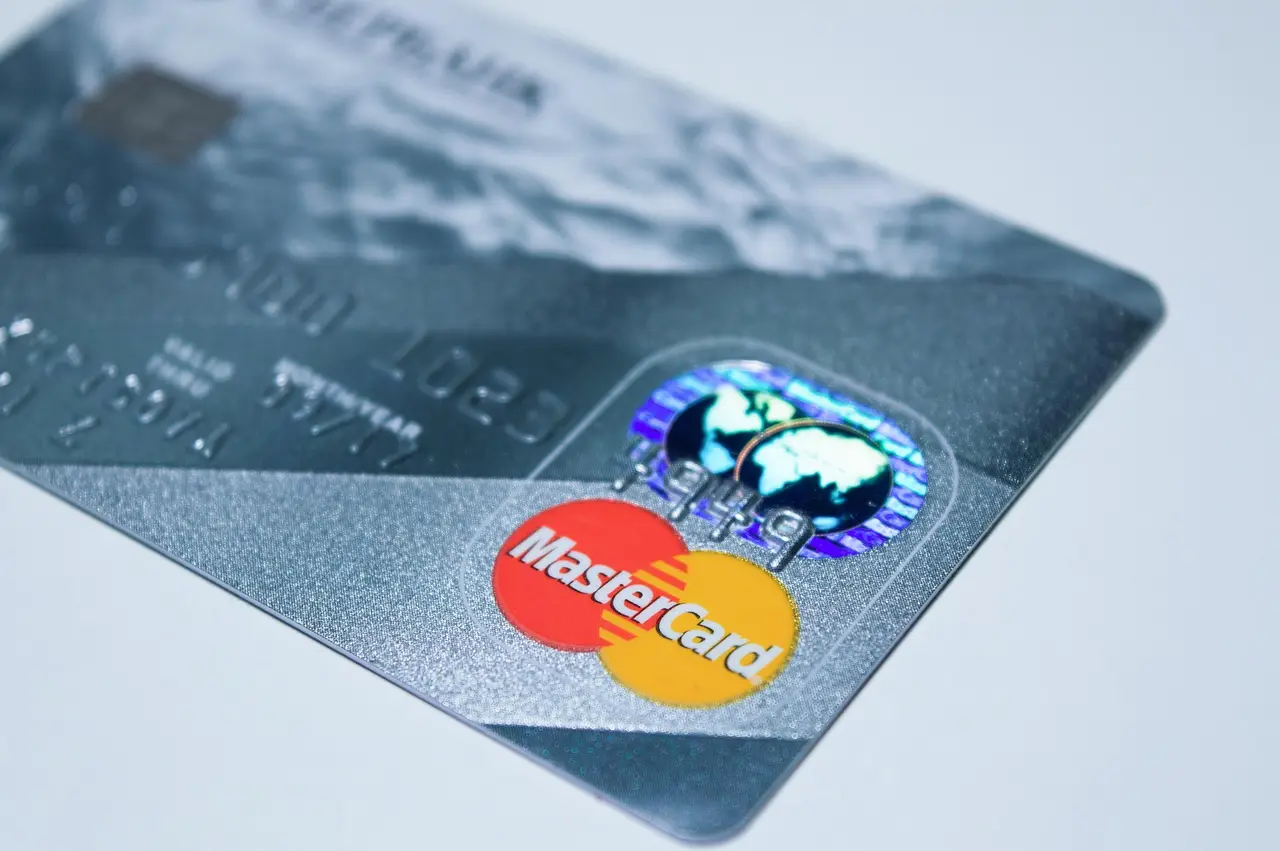
The network — Visa or Mastercard, and occasionally American Express — provides the rails, the rules and the acceptance. Networks do not issue cards and do not hold your money. They set the merchant category codes, the authorisation standards and the dispute framework, and they publish the exchange rates that FX margins are quoted against.
The issuer is a licensed bank or electronic money institution that owns the BIN range and carries the regulatory obligation for the card. In Europe this is often a specialist e-money institution licensed in Lithuania, Gibraltar or Ireland. In the US it is usually a bank partner. This entity is named in the card terms, and it is the one supervised by a regulator you can look up.
The programme manager is the crypto brand on the front. It holds your balance, builds the app, sets the reward scheme and decides which assets it will convert. When a card review talks about "the provider", this is almost always who it means.
What happens in the three seconds after you tap
The sequence is worth spelling out because every fee in the category attaches to one of these steps.
- The terminal builds an authorisation request in the merchant's local currency and sends it to the acquirer, then to the network, then to the issuer.
- The issuer asks the programme manager whether the transaction is covered. This is the only crypto-specific step.
- The programme manager values your balance, sells enough crypto to cover the amount, and confirms. This is where the conversion fee and the provider's spread are applied.
- If the merchant currency differs from your card currency, an FX margin is applied over the network's published rate.
- The issuer approves, the terminal prints a receipt, and settlement between issuer, network and acquirer happens later in fiat.
Two things follow from this. First, the merchant is never exposed to crypto and never needs to be — which is why acceptance is universal rather than a short list of crypto-friendly shops. Second, the crypto is sold at step three, not at the end of the month, so the price you get is the price at the till.
Authorisation is not settlement
Merchants that place holds — hotels, car hire firms, fuel pumps — authorise one amount and settle a different one days later. Some programmes convert again at settlement. On a volatile balance that gap is a second exposure to price movement, which is one more reason to keep a stablecoin buffer for card spending.
Settlement asset: the decision that changes everything
Most programmes let you choose which asset the card draws from, and most people never change the default. It is the highest-leverage setting in the app.
| Settlement asset | Price risk at the till | Conversion cost | Tax record-keeping |
|---|---|---|---|
| Stablecoin (USDT, USDC) | Effectively none | Often 0% or the lowest tier | Minimal gain or loss per disposal |
| Bitcoin or ether | Full exposure until authorisation | Documented percentage over provider spot | A gain or loss on every purchase |
| Provider token (CRO, NEXO, WXT) | High, and correlated with your reward tier | Varies, sometimes discounted | A gain or loss on every purchase |
| Pre-converted fiat balance | None | Paid once at top-up instead of per purchase | One disposal per top-up |
The setting we change first on every card we test
Default settlement is usually set to the provider's own token or to whatever asset you hold most of. We move it to a stablecoin immediately, and where the app supports pre-converting to fiat we do that instead.
It is not about squeezing out a few basis points. It is that a card drawing on a volatile asset produces a taxable disposal for every coffee, at a different price each time. In Australia, where the ATO treats each of those as a CGT event, a year of casual card use can generate hundreds of line items that you are legally responsible for reconciling. One stablecoin setting removes most of that work.
Merchant restrictions and declined categories
Crypto card programmes maintain a restricted merchant list, and it is longer than most people assume. Gambling is almost universally blocked. Adult services are commonly blocked. Some programmes decline authorisations at other crypto platforms and at money transfer services, which catches people trying to fund one crypto account from another.
These restrictions are imposed by the issuer and the network rather than by the crypto brand, which is why they rarely change no matter how politely you ask support. They appear in the card terms under a heading such as prohibited transactions. If a category matters to you, check before you apply rather than at the till. Our decline troubleshooting guide works through the full list of reasons an authorisation fails, in the order worth checking.
Chargebacks, disputes and what protection you actually have
Because the transaction runs on network rails, the network's dispute process applies. If a merchant fails to deliver, you can raise a chargeback through your issuer in the normal way, and the crypto element is irrelevant to that process. This is genuine consumer protection and it is one of the underrated advantages of spending crypto through a card rather than sending it on-chain.
What you do not get is any protection on the crypto side. If you send funds to the wrong deposit address when topping up, no network rule helps you, because no card transaction occurred. And if the merchant delivered as promised but the asset you sold to pay for it subsequently doubled, that is a market outcome, not a dispute.
The dispute route also depends on the issuer being reachable. This is where the distinction between programme manager and issuer becomes practical: your first contact is the app, but the regulatory obligation sits with the licensed entity named in your terms. If the app support goes quiet, that named entity and its regulator are your escalation path.
How to read any crypto card offer in five minutes
Once you know the machine, evaluation gets fast. Find the issuing entity in the terms and check it on a public register. Find the conversion fee and the FX schedule, including whether weekends differ. Find the ATM allowance and the charge above it. Find the restricted merchant categories. Find whether you can set the settlement asset. Then, and only then, look at the reward rate.
That order matters because rewards are the most advertised and least reliable number in the category — see our cashback analysis for what happens to those rates once conditions are applied. Fees, by contrast, are charged to everyone, every time, and they are where the real comparison lives. Continue with the full fee guide or narrow by your country.